
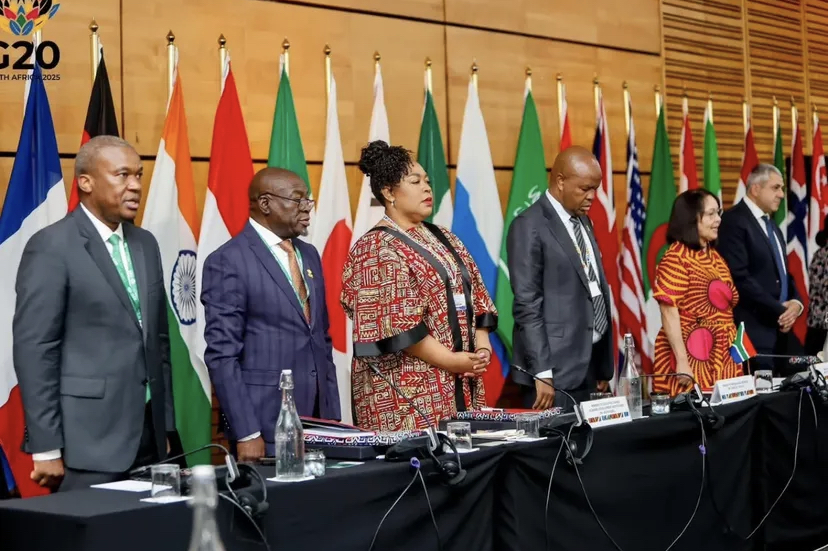
The G20 Tourism Ministers’ Meeting opened in the heart of Kruger National Park with South Africa leading a pivotal conversation on reshaping the global tourism landscape. Under the stewardship of Tourism Minister Patricia de Lille, the summit brought together high-level delegates under the theme of Solidarity, Equality, and Sustainability.
The setting, surrounded by Kruger’s iconic wildlife and vast landscapes, served as both a symbol and a working example of how conservation, community benefit, and economic development can intersect. With tourism still recovering from the shocks of the COVID-19 pandemic and grappling with new global challenges, the discussions were not just about recovery, they focused on long-term transformation.
South Africa laid out a four-point agenda designed to drive more equitable and sustainable tourism. A major focus was bridging the digital divide affecting micro, small, and medium-sized tourism enterprises (MSMEs). While digital tools and platforms are increasingly shaping travel experiences, many smaller operators especially in the Global South are struggling to keep up. South Africa called for G20 countries to prioritize digital upskilling, establish innovation hubs, and ensure inclusive access to technology.
Investment was another central theme. Delegates explored how to unlock public and private capital flows for community-based tourism initiatives and infrastructure that respects local ecosystems. South Africa unveiled plans for a dedicated Tourism Investment Summit aimed at linking local entrepreneurs with global investors and development banks.
Air connectivity and mobility were also on the agenda. South Africa stressed the need for more accessible, sustainable air travel, particularly to and from underserved regions. The discussion included visa policy reform and the adoption of clean aviation technology to reduce the environmental footprint of increased travel demand.
Resilience planning formed the final pillar of South Africa’s framework. As climate events, geopolitical tensions, and health emergencies increasingly disrupt global travel, the call was made for integrated response plans that protect both livelihoods and ecosystems. Strategies included diversification of tourism products, safety protocols, and special support for vulnerable MSMEs.
Youth and innovation were woven into the summit through the G20 Tourism Hackathon. Student teams from 21 universities presented tech-driven solutions ranging from AI-powered cultural guides to digital learning tools designed for offline environments. Their presence underscored the importance of including new voices in shaping tourism’s future.
The choice of Kruger National Park as the venue was strategic not only showcasing South Africa’s natural heritage, but also demonstrating a working model of responsible tourism that benefits nearby communities. All aspects of the summit were audited for sustainability, forming part of South Africa’s broader effort to promote environmentally responsible tourism practices on the global stage.
As G20 Tourism discussions progress, South Africa continues to emphasize the need for a tourism industry that is inclusive, adaptable, and grounded in sustainability.