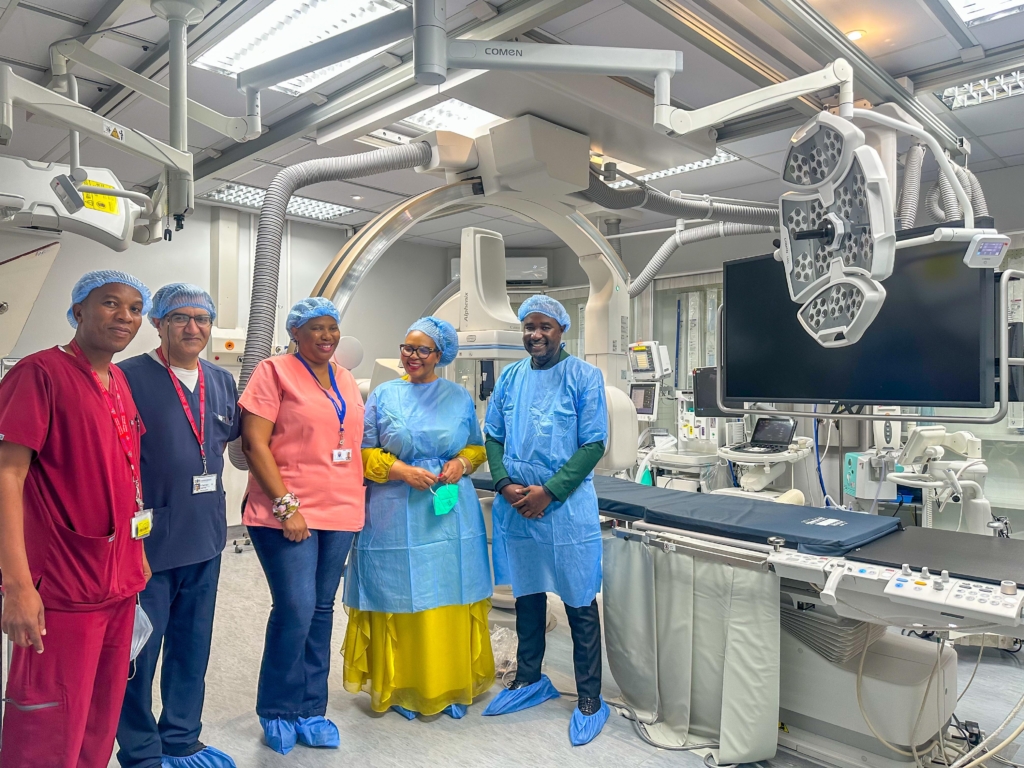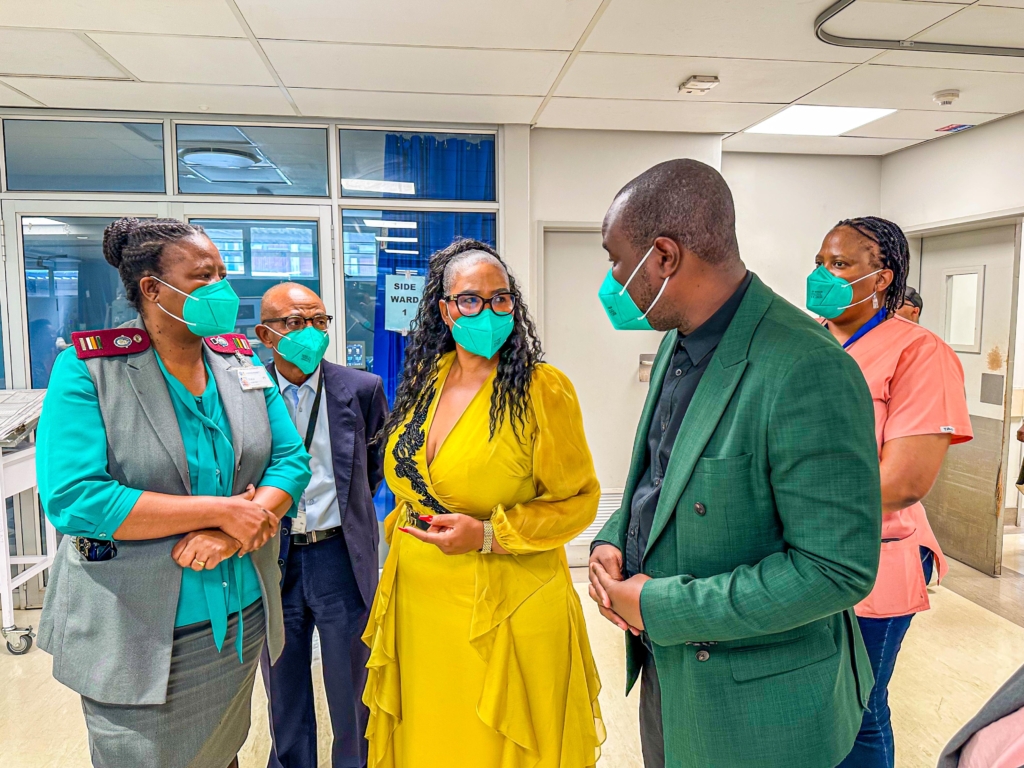
Dr George Mukhari Academic Hospital (DGMAH) has taken a major leap in strengthening specialised healthcare services following the unveiling of advanced medical equipment by Gauteng MEC for Health and Wellness, Nomantu Nkomo-Ralehoko.
The upgrades include a new heart-lung machine, a revitalised angiography suite and a modern angiogram machine, all aimed at improving the hospital’s ability to diagnose and treat life-threatening cardiac and vascular conditions.
As South Africa’s second largest hospital, DGMAH serves as a key referral centre for Gauteng, Limpopo, Mpumalanga and the Northwest Provinces. This technology is expected to significantly reduce waiting times, limit referrals and bring critical services closer to communities.
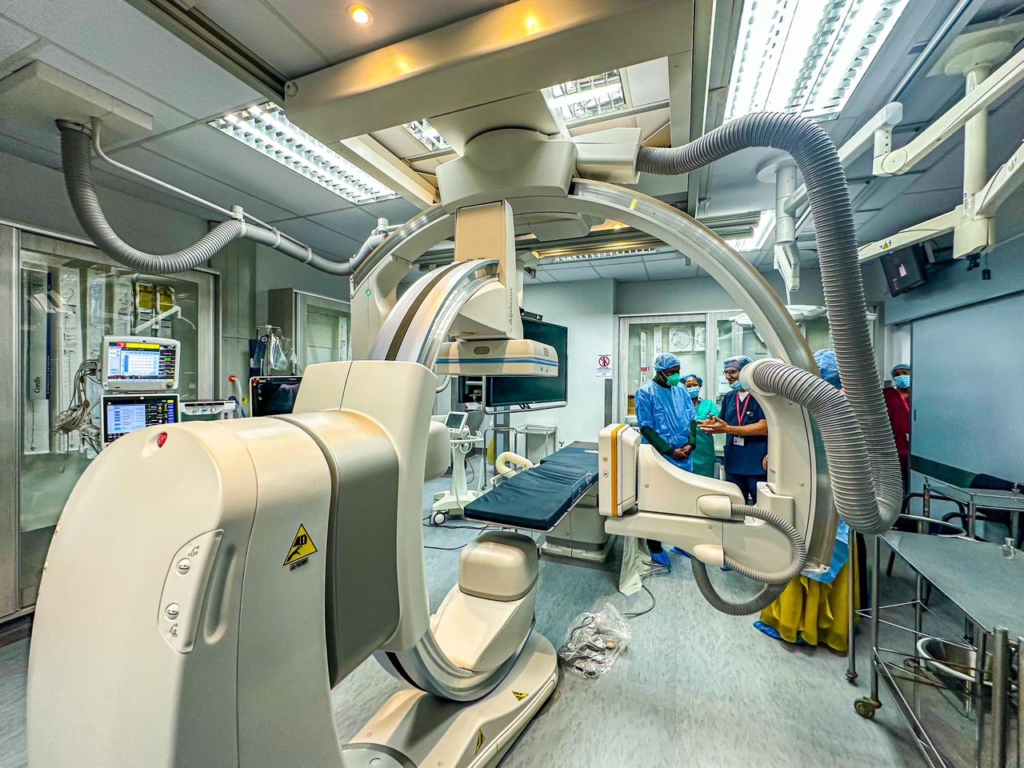
The new heart-lung machine will support both adult and paediatric open heart surgeries, allowing the hospital to safely manage complex cases on site. The upgraded angiography suite will enable clinicians to perform faster, minimally invasive procedures to detect and treat blocked arteries, strokes, aneurysms and other vascular emergencies.
The World Health Organization has emphasised that timely access to high quality medical technologies is essential for improving survival and reducing preventable deaths. Speaking at the unveiling ceremony, MEC Nkomo-Ralehoko said the investment demonstrates the province’s commitment to modernising healthcare and improving patient outcomes, especially in historically underserved township communities.
This latest development follows the MEC’s earlier visit on April, when the hospital received new ICU beds, an MRI scanner, a CT scanner and Cath Lab improvements. The Department says the continued rollout of advanced medical technology across facilities forms part of a broader strategy to rebuild trust in public healthcare, enhance diagnostic accuracy and ensure that patients receive dignified timely care.
Nkomo-Ralehoko also commended private partners and sponsors for supporting the project, emphasising that public-private partnerships are crucial in the face of budget constraints affecting health infrastructure and equipment nationally.
“These machines are more than equipment they are investments in lives, in hope and in the future of healthcare in Gauteng,” said Nkomo-Ralehoko.