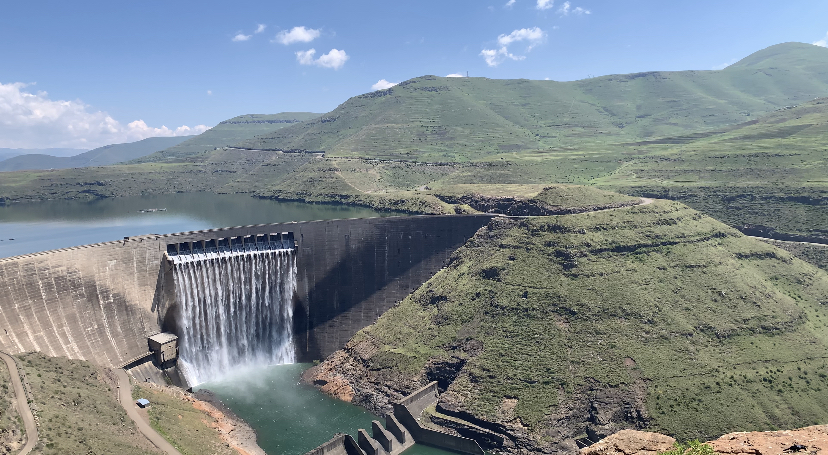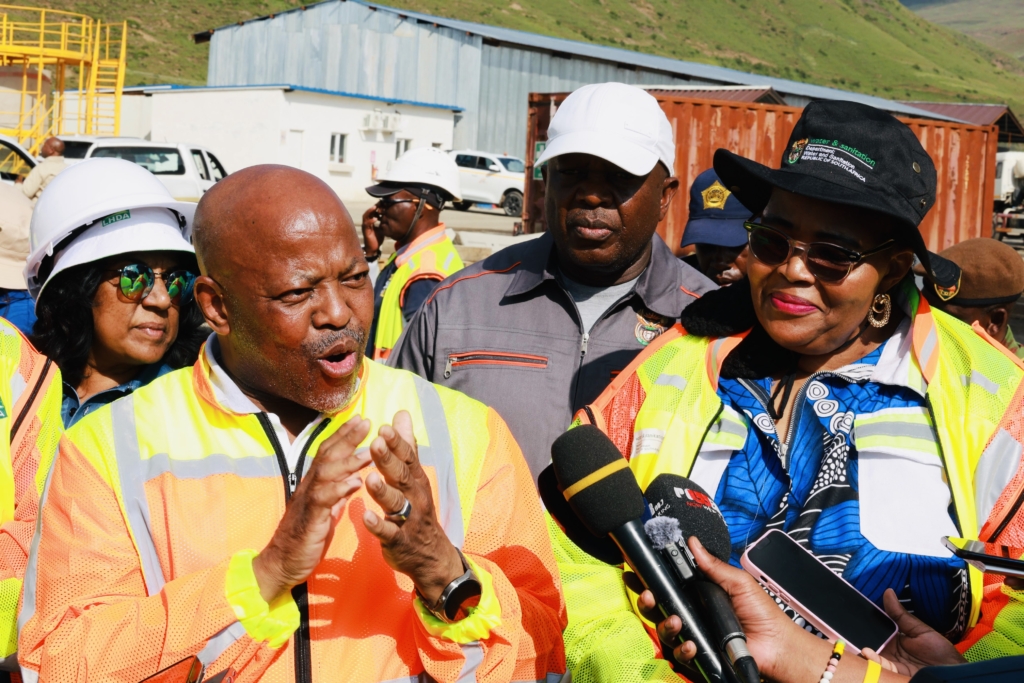
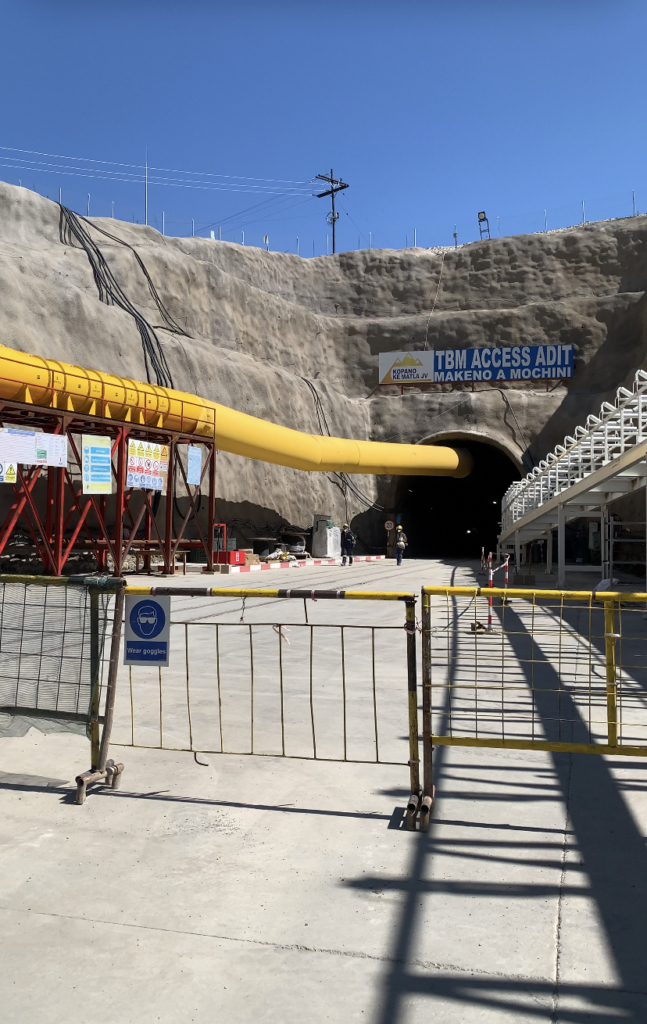
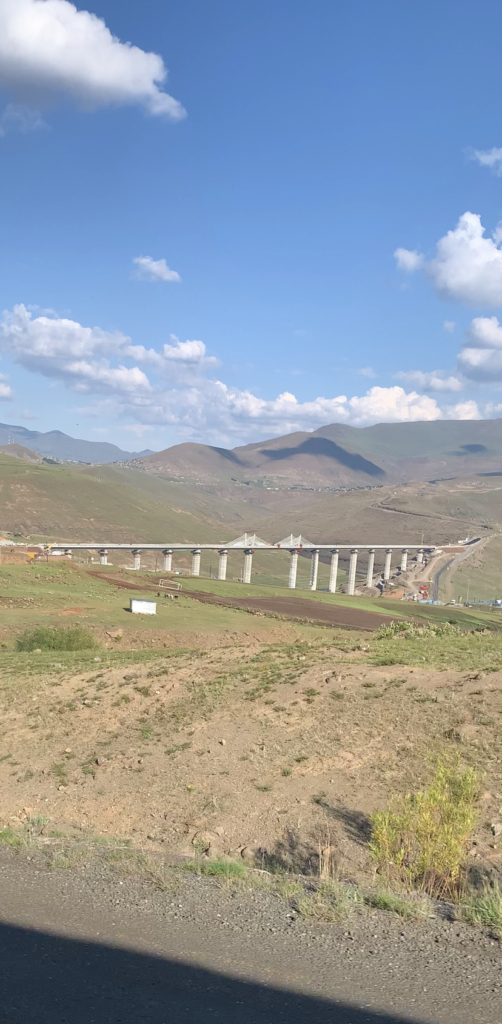
The South African Minister of Water and Sanitation, Pemmy Majodina arrived in Mokhotlong in Lesotho where a comprehensive briefing session was held ahead of a three-site oversight visit to Phase II of the Lesotho Highlands Water Project. The site visits included the Polihali Dam Wall, the Transfer Tunnel and the Senqu Bridge.
The Minister was accompanied by the Lesotho Minister of Natural Resources, Mohlomi Moleko, South African Deputy Minister of Planning, Monitoring and Evaluation, Seiso Mohai and South Africa’s High Commissioner to Lesotho, Constance Seoposengwe. The oversight visit forms part of ongoing bilateral cooperation between South Africa and Lesotho to monitor progress and ensure the timely delivery of this critical water infrastructure project.
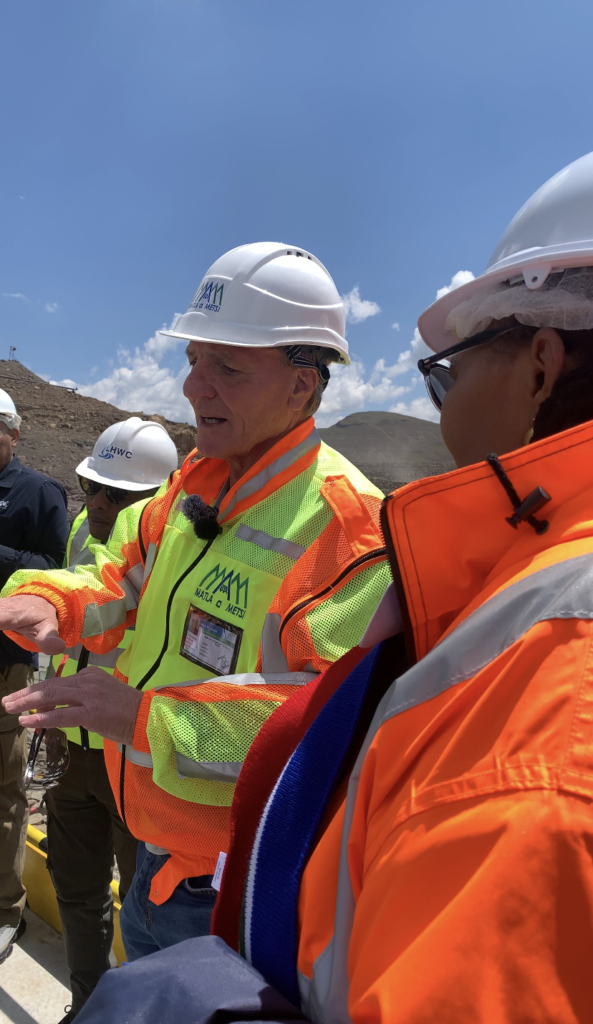
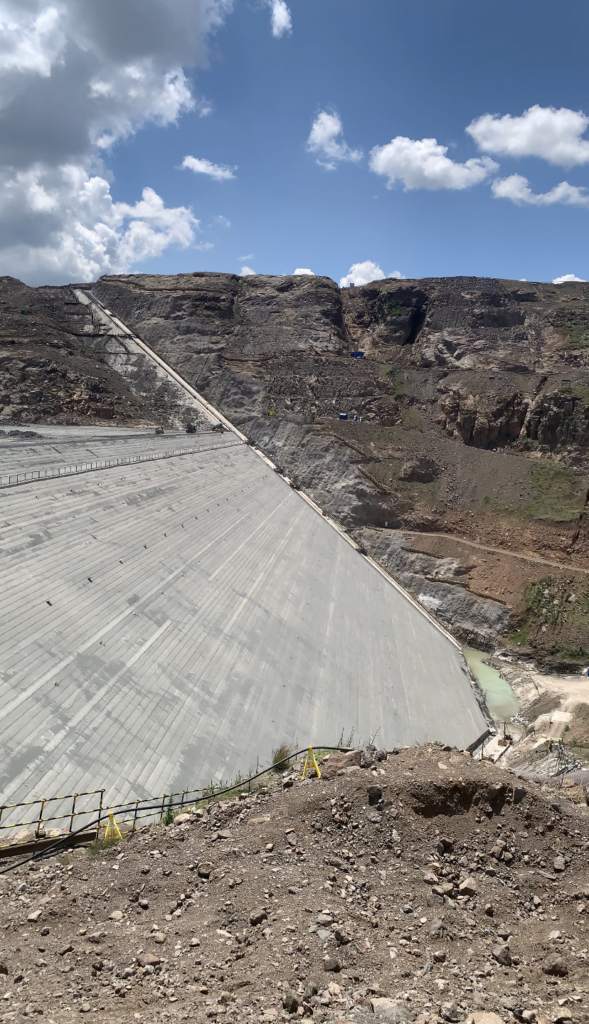
During the visit, Minister Majodina committed to conducting quarterly oversight visits to closely monitor progress on Phase II. She expressed satisfaction with construction progress at the Polihali Dam Wall which has now reached 60 metres from the riverbed, with a further 100 metres still to be completed. The Transfer Tunnel has also recorded steady progress while construction of the Senqu Bridge is at an advanced stage with 93% completion achieved and the structure expected to be finalised within the next two months.
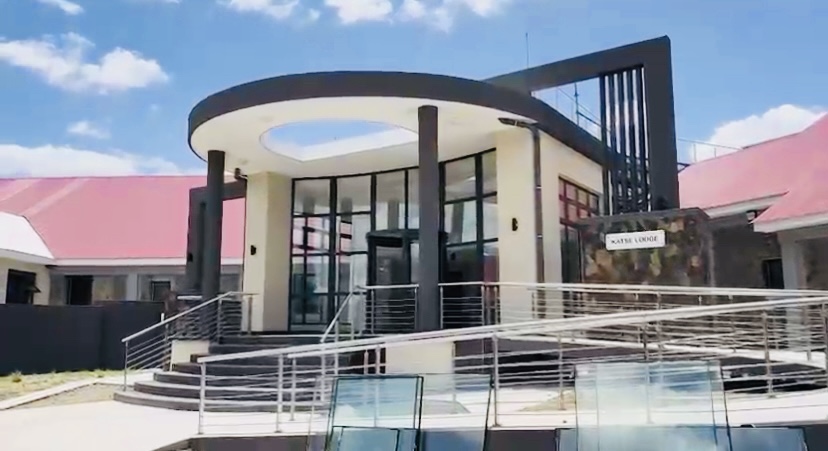
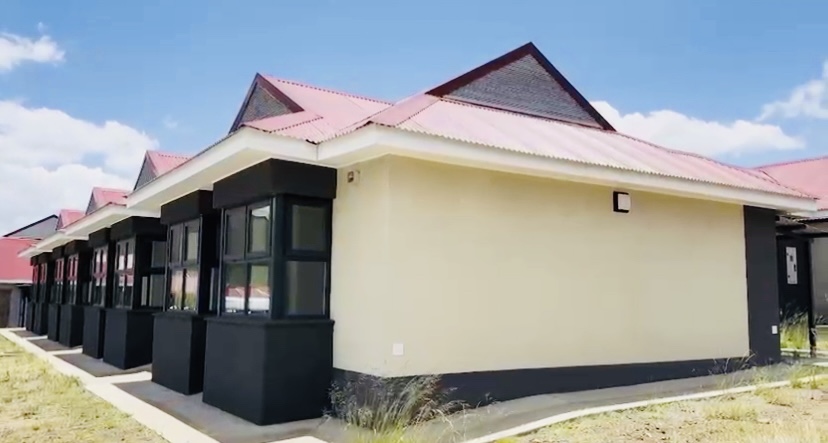
The Minister also visited the resettlement site where over 300 households are earmarked for resettlement, houses have been constructed as part of efforts to ensure affected communities are accommodated with dignity and care. In addition, she assessed the renovated lodge at Katse and emphasised that the facility must be marketed effectively to ensure it is utilised meaningfully. She further highlighted the need for the renovated conference centres to be used productively in support of local economic activity and tourism.
Minister Majodina noted that the project has already created approximately 16,000 job opportunities with further employment expected as construction progresses. She emphasised the importance of responsible water use by South Africans, noting that South Africa currently receives water from the Katse Dam and must use it sparingly while preparing for Phase II which will significantly increase water availability compared to current supply levels.
She highlighted the need for South Africa to be adequately prepared to receive additional water by investing in supporting infrastructure, including the construction of reservoirs and the closing of water distribution gaps. She confirmed that Rand Water is ready to accommodate increased volumes having already developed sufficient infrastructure to support the next phase of water transfer.