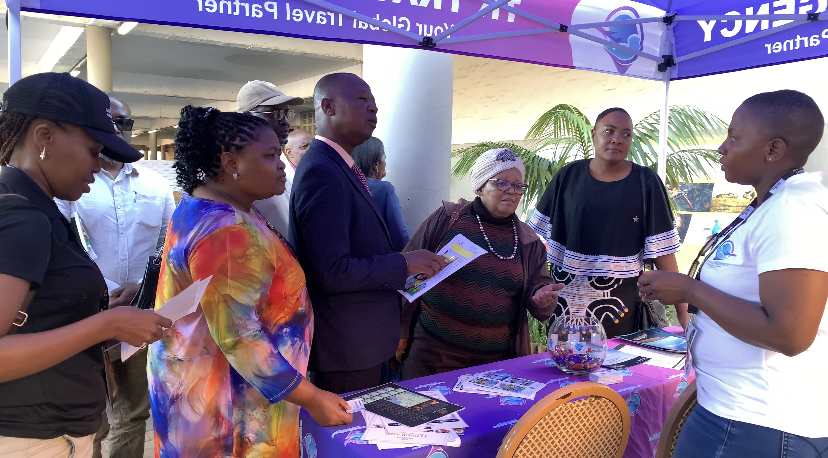
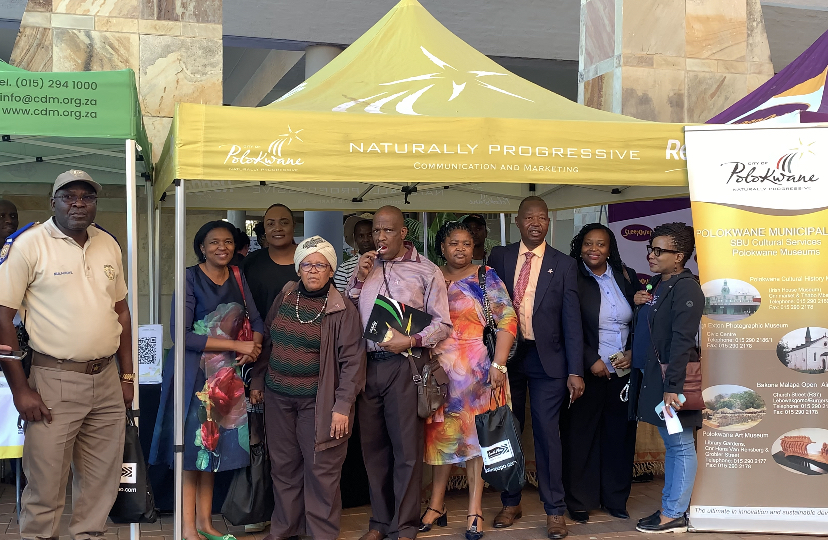
The Limpopo Holiday Fair 2025 once again brought the City of Stars to life, celebrating local tourism, strengthening business connections and showcasing the very best of Limpopo’s warmth, culture and enterprise.
Established in 2016, the Fair has grown into a flagship event for the province’s tourism industry. Organised by the Polokwane Tourism Association in partnership with the Limpopo Provincial Tourism Association, the Department of Economic Development, Environment and Tourism (LEDET), the Limpopo Tourism Agency, Polokwane Local Municipality and Capricorn District Municipality, the Fair has become a symbol of unity and progress in the region.
This year’s edition reflected the event’s enduring mission, to promote local tourism, create business linkages and strengthen collaboration within the industry. The Fair served as a vibrant meeting point where tourism operators, buyers and exhibitors connected to exchange ideas, build partnerships and explore new opportunities for growth.
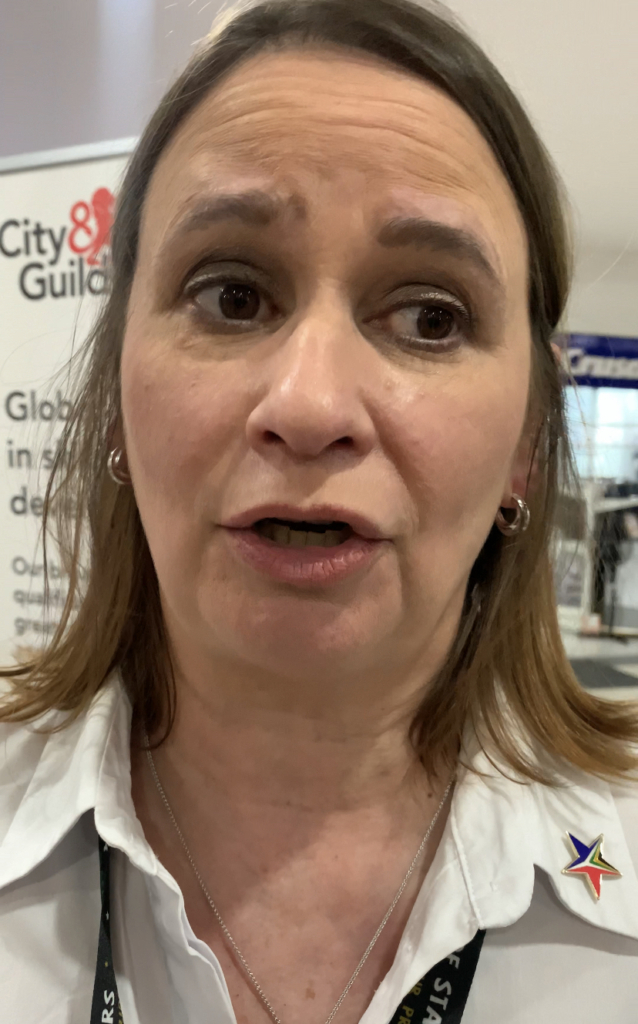
True to its vision, the Limpopo Holiday Fair 2025 welcomed buyers and industry stakeholders from across South Africa and beyond including Gauteng, Western Cape, Northern Cape, Mpumalanga, North West, KwaZulu-Natal, Free State, Eastern Cape, Zimbabwe, Botswana and Mozambique. Their presence not only enhanced cross-border collaboration but also positioned Limpopo as a competitive and attractive tourism destination in Southern Africa.
Beyond the business engagements, the event buzzed with local entertainment, cultural showcases and authentic Limpopo hospitality. It provided a platform for new entrants in the tourism sector, empowering small businesses and inspiring innovation in how the province’s tourism story is told.
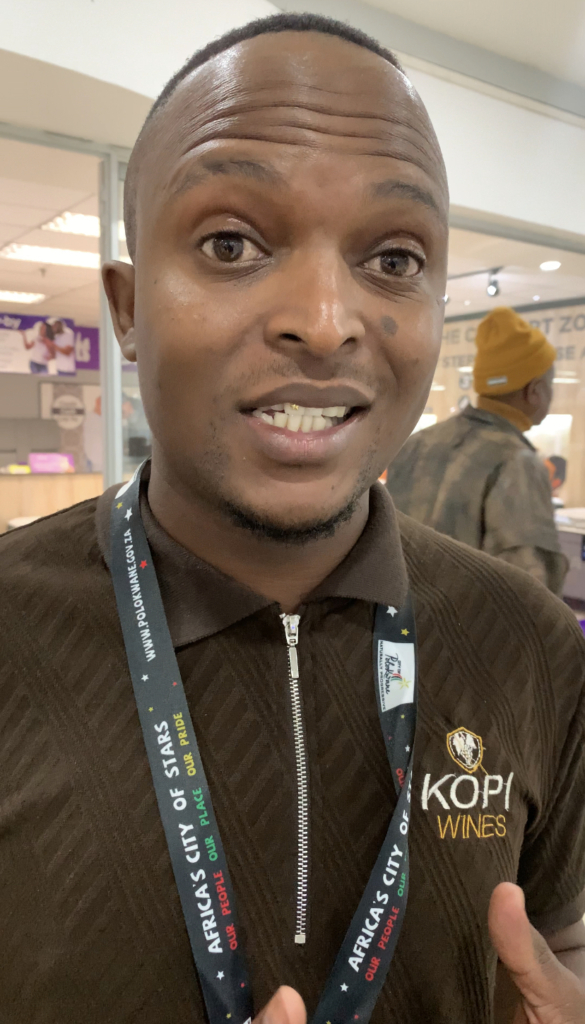
As the 2025 Fair concluded, it left a lasting impression, one of connection, pride, and shared purpose. The Limpopo Holiday Fair continues to play a key role in driving tourism recovery, promoting domestic travel, and ensuring that the spirit of Limpopo remains a beacon for visitors from near and far.
Indeed, the Fair is more than an event. It’s a celebration of community, collaboration, and the endless possibilities that arise when business and culture meet under the Limpopo sun.